Come behind the scenes and into the jobs, the challenges, the highlights, and the personalities of the people who work at the Department of Conservation (DOC).
March is Whio Awareness Month. To celebrate this, we profile Ivan Rogers—Whio Ranger in the Motueka Area Office.

A whio nearly getting away on me. This picture gets trotted out at work fairly regularly, to much amusement.
At work
Some things I do in my job include… I’m in the second year of a three year study putting cameras on whio nests to record predation. I’m also tracking them during the moult when they are equally vulnerable to predation. And anything else that comes along, especially if it’s to do with lizards.

Attacked by a common gecko during hakea control. This was the first one found after a rodent eradication. From being virtually undetectable, they have bounced back strongly
The best bit about my job… is that moment when you find a whio nest and look her (briefly) in the eye.
The loveliest DOC moment I’ve had so far is… The first time I saw a rock wren. Gareth from Golden Bay had gone for a walk up Mt Perry and had seen one. I had never seen one and I was so jealous that I scooted up as soon as I could and there it was! There turned out to be a family group resulting from a successful nest. Like toutouwai they will perch on your boot.
The DOC (or previous DOC) employee that inspires or enthuses me most is… Kath Smith from Golden Bay. We met when we were hut wardens—a rare instance of an ‘instant’ friendship—she knows me all too well!

This is me collecting fur seal vomit from Tonga Island
On a personal note…
Most people don’t know that I… was a punk in the very late 70s/early 80s.
The song that always cheers me up is… Roadrunner by the Modern Lovers or anything else with two chords.
My stomping ground is… I’ve had a few—Aro St, Surry Hills, the Heaphy Track…. Now I do my ‘stomping’ in the South Branch Wangapeka.
My greatest sporting moment was when… Kind of a sporting moment: I once rode a Yamaha 50 from Christchurch to Karamea and very nearly back—the front tyre blew out at Woodend so I chucked it behind a gorse bush and hitched the rest of the way….
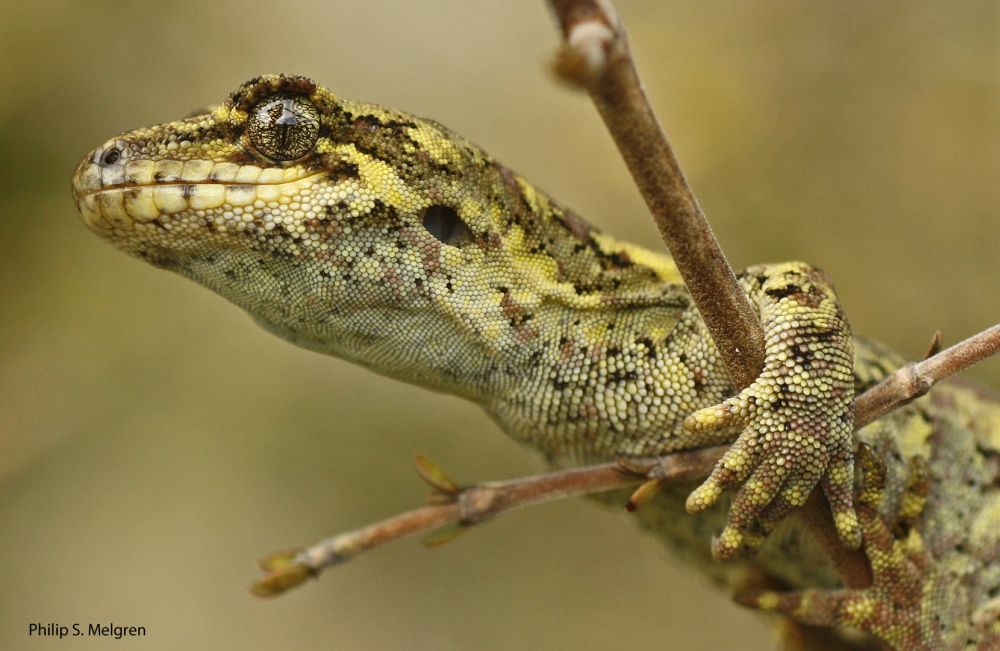
In my spare time… I breed Northland green gecko (Naultinus grayii).

Invertebrate sampling on the Richmond Ranges
Deep and meaningful…
My favourite quote is… “Quick! A pumpkin” (a friend’s small boy. I think he plays for the Rabbitohs now).
The best piece of advice I’ve ever been given is… Keep all your (photographic) negatives.
In work and life I am motivated by… Quick answer: I’m in awe of those people who work with the demented elderly, the profoundly disabled, and the deeply disturbed. What a noble thing to do—how is it they are the low waged?
My conservation advice to New Zealanders is… Don’t put milk out for hedgehogs.
If you could move backwards or forwards to any decade in time, which would you pick and why?
It kind of depends on where as much as when doesn’t it? I was a bit too young to enjoy the 70s so that’s one decade I’d go for. Specifically 1970s USA—being around to see all those great bands. In Detroit the Stooges and the MC5 and in New York the last days of the Velvet Underground, the Ramones, the New York Dolls, the whole Max’s Kansas City and CBGBs scene.

Out in the Horoirangi Marine Reserve with my colleague Ross Maley